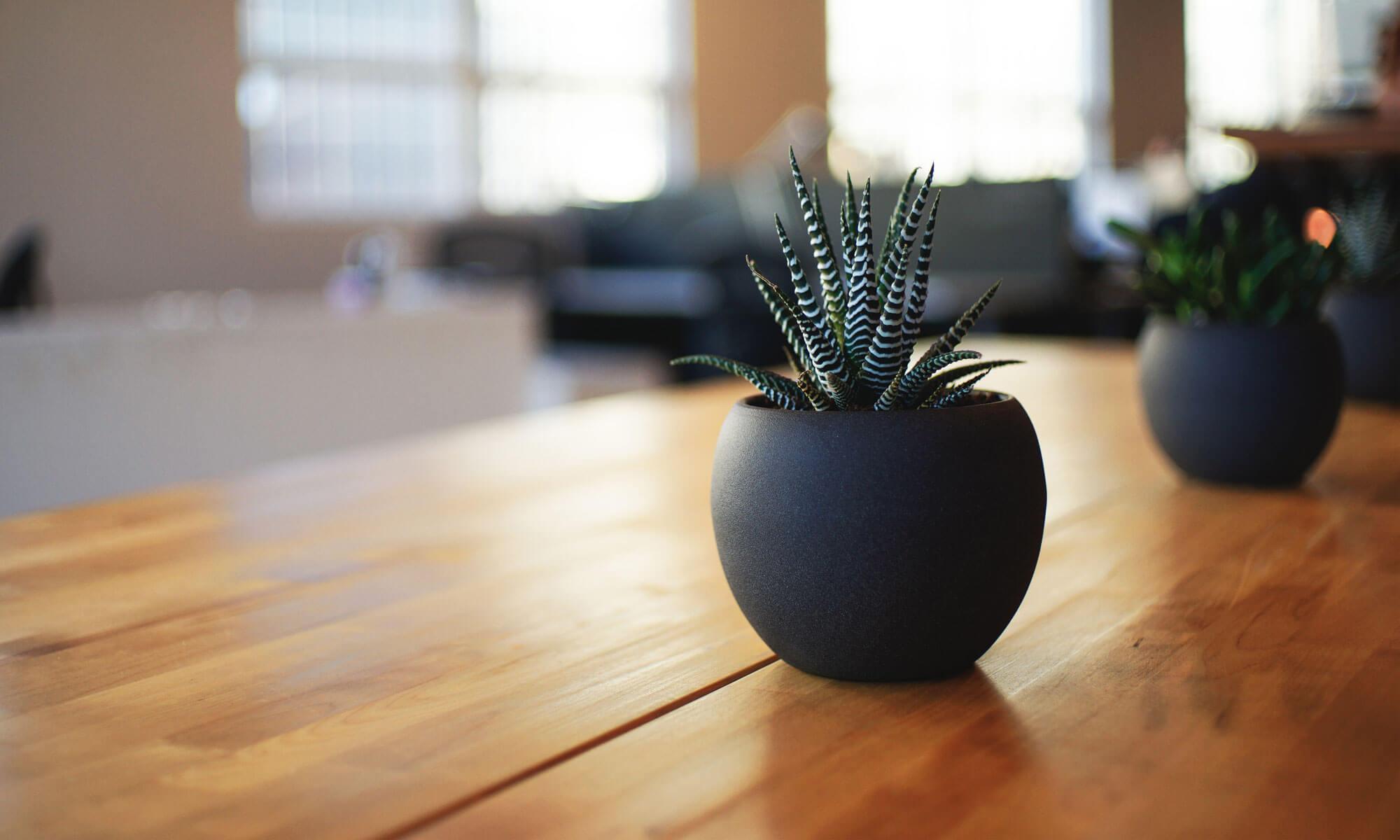

- Distinctive artistry flourishes with the-spinkings.uk and inspiring interior solutions
- The Importance of Bespoke Interior Design
- Understanding Client Lifestyle and Preferences
- The Role of Artistry in Interior Spaces
- Curating Art Collections
- Sustainable and Ethical Design Practices
- Sourcing Eco-Friendly Materials
- The Impact of Lighting on Interior Ambiance
- Expanding Horizons: Incorporating Technology Seamlessly
Distinctive artistry flourishes with the-spinkings.uk and inspiring interior solutions
Creating a beautiful and functional living space is a desire shared by many, and finding the right partner to help bring that vision to life is paramount. The-spinkings.uk offers a distinctive approach to interior solutions, focusing on artistry and a commitment to transforming spaces into reflections of individual style and needs. Beyond simply decorating, they curate experiences, blending aesthetics with practicality to deliver results that are both visually stunning and deeply personal. Their dedication extends to providing a collaborative service, actively involving clients in every stage of the design process.
In a world saturated with mass-produced furniture and impersonal design trends, the pursuit of originality and handcrafted quality is becoming increasingly important. People are seeking homes that tell a story, that feel authentic and unique. This trend has fueled a demand for bespoke interior design services that prioritize individuality over conformity. Companies like the-spinkings.uk are well-positioned to cater to this evolving market, offering a refreshing alternative to conventional design approaches, and fostering a sense of genuine connection between people and their surroundings.
The Importance of Bespoke Interior Design
Bespoke interior design goes beyond simply selecting furniture and paint colors; it's about crafting an environment that perfectly aligns with the client's lifestyle, personality, and aspirations. This involves a deep understanding of the client’s needs, preferences, and daily routines. A skilled designer will delve into the functional requirements of the space, considering how it will be used and who will be using it. From maximizing storage solutions to optimizing traffic flow, every element is carefully considered to enhance usability and comfort. The heart of bespoke design lies in its personalized touch, creating spaces that feel inherently tailored and harmonious. It's an investment in a lifestyle, not just an aesthetic.
Understanding Client Lifestyle and Preferences
Initial consultations are crucial in determining the client's needs and desires. These conversations should explore everything from favorite colors and materials to hobbies and entertaining habits. A thorough questionnaire, coupled with an in-depth discussion of the client’s vision board or inspirational images, can help establish a clear design direction. Understanding subtle cues and unspoken preferences is equally important. A skilled designer can often glean valuable insights by observing the client’s existing décor, clothing style, and even their overall demeanor. This collaborative approach ensures that the final design truly reflects the client’s unique identity and creates a space they will love for years to come.
| Design Aspect | Considerations |
|---|---|
| Space Planning | Traffic flow, furniture arrangement, optimizing natural light |
| Color Palette | Client preferences, room functionality, psychological effects of color |
| Material Selection | Durability, texture, sustainability, aesthetic appeal |
| Lighting Design | Ambient, task, and accent lighting, energy efficiency |
Effective space planning is fundamental to good interior design. It isn’t merely about fitting pieces into a room; it’s about creating a harmonious flow that facilitates movement and interaction. Thoughtfully placed furniture, strategically positioned lighting, and a well-considered color palette can transform a cramped space into an inviting and functional haven. A professional designer will expertly balance aesthetics with practicality, ensuring that the space is not only beautiful but also conducive to the client's lifestyle.
The Role of Artistry in Interior Spaces
Art plays a pivotal role in elevating an interior from simply decorated to truly inspired. It injects personality, evokes emotion, and adds depth and complexity to a space. Whether it's a striking statement piece that commands attention or a curated collection of smaller works, art has the power to transform the atmosphere of a room. Choosing the right artwork requires careful consideration of the space’s overall design scheme, the client’s personal preferences, and the desired mood. Selecting pieces that complement the existing color palette and architectural style can create a cohesive and harmonious look. The incorporation of textured art or sculptural elements adds another layer of visual interest and tactile appeal. Art is not just decorative; it’s an integral component of a well-designed interior.
Curating Art Collections
Building an art collection can be a rewarding experience, but it can also be daunting. A designer can assist clients in selecting pieces that align with their taste and budget, offering guidance on different art forms, styles, and artists. Exploring local galleries, art fairs, and online platforms can unearth hidden gems and emerging talent. Creating a cohesive collection doesn't necessarily mean adhering to a single style or theme. Mixing different mediums and artistic expressions can add an eclectic and dynamic feel. The key is to choose pieces that resonate with the client on a personal level and reflect their individual aesthetic sensibilities.
- Consider the scale of the artwork in relation to the space.
- Pay attention to the color palette and how it complements the room's décor.
- Don't be afraid to mix different styles and mediums.
- Invest in pieces that you genuinely love and that speak to you.
The selection and placement of art are vital in influencing the mood of a space. Bright, vibrant artwork can energize a room, while more subdued tones and abstract pieces can create a calming and serene atmosphere. Correct artwork placement can draw the eye, create focal points, and enhance the overall sense of balance and proportion within the room. A designer's expertise in these areas can elevate an interior from ordinary to extraordinary.
Sustainable and Ethical Design Practices
In today's world, sustainability is no longer a trend but a necessity. Consumers are increasingly conscious of the environmental and social impact of their purchasing decisions, and this extends to interior design. Sustainable design practices involve selecting eco-friendly materials, minimizing waste, and prioritizing durability and longevity. This includes opting for furniture made from recycled or renewable resources, using low-VOC paints and finishes, and incorporating energy-efficient lighting solutions. Ethical considerations also play a crucial role. This means sourcing materials from suppliers who adhere to fair labor practices and promoting responsible manufacturing processes. Embracing sustainable and ethical design principles not only benefits the planet but also creates healthier and more harmonious living spaces.
Sourcing Eco-Friendly Materials
The availability of eco-friendly materials is constantly expanding, offering designers a wide range of sustainable options. Bamboo, reclaimed wood, and recycled glass are just a few examples of materials that can add both style and sustainability to a space. Organic cotton, linen, and hemp are excellent choices for fabrics and upholstery. When selecting paint and finishes, look for low-VOC (volatile organic compounds) options, as these release fewer harmful chemicals into the air. Furthermore, supporting local artisans and manufacturers can reduce the carbon footprint associated with transportation and promote economic growth within the community. A conscious effort to prioritize sustainable materials can significantly reduce the environmental impact of an interior design project.
- Choose furniture made from recycled or renewable resources.
- Opt for low-VOC paints and finishes.
- Incorporate energy-efficient lighting solutions.
- Support local artisans and manufacturers.
Beyond simply selecting eco-friendly materials, sustainable design also encompasses a mindful approach to resource consumption. This includes minimizing waste during the design process, repurposing existing furniture and décor, and choosing durable products that will last for years to come. A well-designed space should be built to endure, reducing the need for frequent replacements and minimizing its overall environmental footprint. It is a philosophy that prioritizes long-term value and responsible stewardship of resources.
The Impact of Lighting on Interior Ambiance
Lighting is often underestimated, yet it's one of the most transformative elements of interior design. It has the power to dramatically alter the mood, highlight architectural features, and create a sense of warmth and intimacy. A layered lighting scheme, incorporating ambient, task, and accent lighting, is essential for achieving a well-balanced and functional space. Ambient lighting provides overall illumination, while task lighting focuses on specific areas for activities like reading or cooking. Accent lighting is used to highlight artwork, architectural details, or decorative objects. By carefully controlling the intensity, color temperature, and direction of light, designers can create a variety of atmospheres to suit different needs and preferences.
The interplay between natural and artificial light is also crucial. Maximizing natural light is a key principle of good design, as it offers numerous benefits, including improved mood, increased energy efficiency, and a stronger connection to the outdoors. Strategic placement of windows and skylights can flood a space with natural light, while sheer curtains and blinds can provide privacy and control glare. Artificial lighting should supplement natural light, creating a seamless transition between the two. Considering the color temperature of light sources is also vital, as warmer tones create a cozy ambiance, while cooler tones provide a more invigorating and focused atmosphere.
Expanding Horizons: Incorporating Technology Seamlessly
Modern interior design increasingly involves the integration of smart home technology. This isn't about creating a futuristic, sterile environment; it's about enhancing comfort, convenience, and energy efficiency. Smart lighting systems, automated shades, and voice-controlled assistants can simplify daily routines and create a more personalized living experience. However, it's important to integrate technology seamlessly into the design scheme, avoiding a cluttered or overwhelming aesthetic. Concealing wires, using smart devices that blend with the décor, and prioritizing user-friendliness are essential considerations. The goal is to leverage technology to enhance the living experience without sacrificing style or comfort. It's about creating a harmonious blend of form and function.
Beyond convenience, smart home technology can also contribute to sustainability. Smart thermostats can optimize energy consumption, reducing heating and cooling costs. Smart lighting systems can automatically adjust brightness based on occupancy and natural light levels. Furthermore, integrated security systems can provide peace of mind and enhance safety. As technology continues to evolve, its role in interior design will only become more prominent, offering exciting new possibilities for creating intelligent and responsive living spaces.