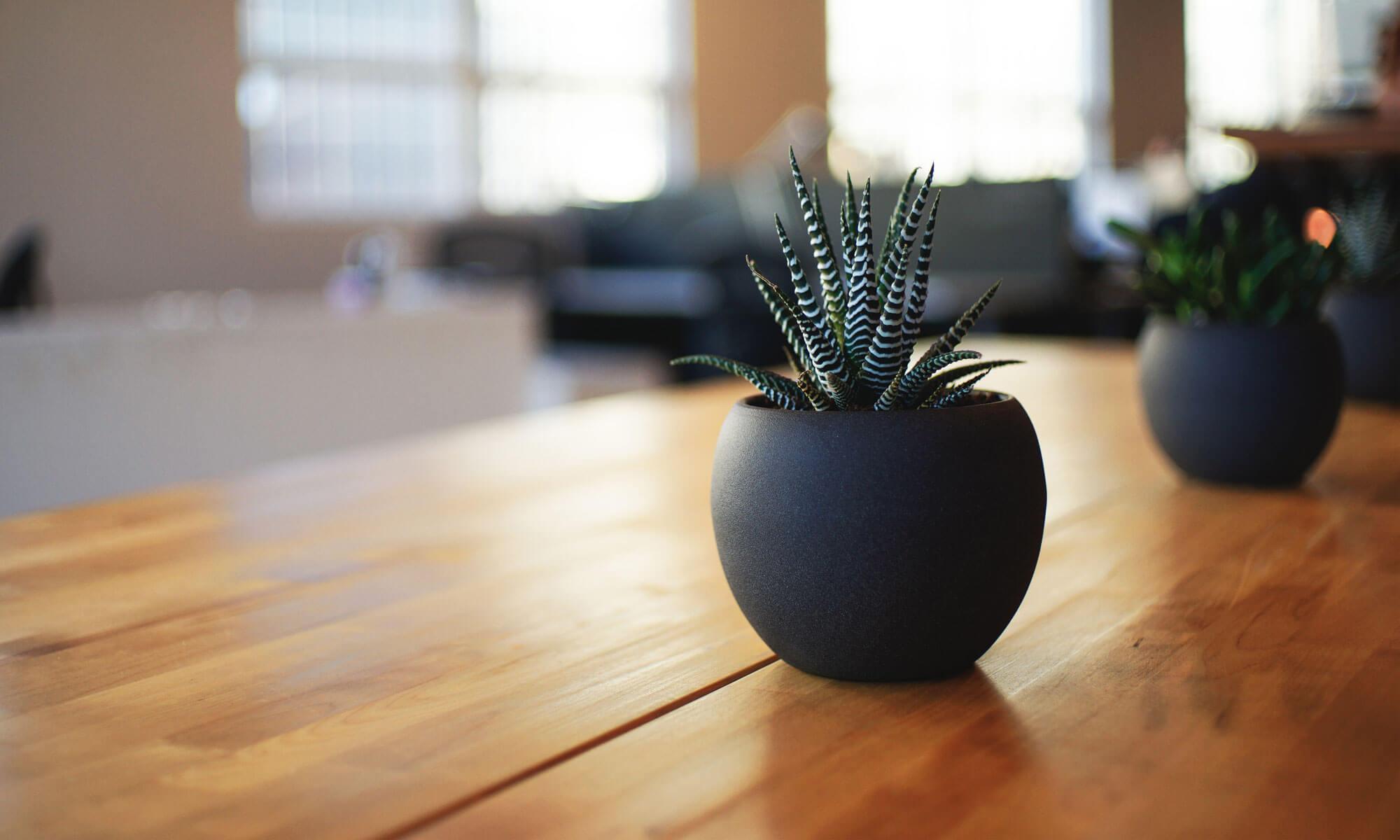

- Genuine textiles and https://luckycaponeau.com inspire elevated home aesthetics
- The Allure of Natural Fibers in Home Decor
- Understanding Thread Count and Fabric Weight
- The Impact of Color and Pattern on Interior Spaces
- Layering Textures and Patterns for Depth
- The Role of Textiles in Different Rooms
- Textiles for Specific Needs: Children’s Rooms & Outdoor Spaces
- Sustainable Textiles: A Growing Trend
- Beyond Aesthetics: The Emotional Connection to Textiles
Genuine textiles and https://luckycaponeau.com inspire elevated home aesthetics
The pursuit of a beautiful and comfortable home is a universal desire, and textiles play a central role in achieving that aesthetic. From the soft touch of linens to the vibrant hues of patterned fabrics, textiles define the mood and personality of a space. Many homeowners are increasingly turning to sources offering unique and high-quality options, seeking pieces that move beyond the mass-produced and reflect a more individual style. Discovering a brand dedicated to genuine textiles and inspired design can be transformative for elevating interior spaces. Consider exploring what https://luckycaponeau.com has to offer – a curated selection designed to inspire elevated home aesthetics.
The importance of quality textiles extends beyond mere appearance. They contribute significantly to a home's overall comfort, functionality, and even its sustainability. Natural fibers like cotton, linen, and wool offer breathability, durability, and a timeless appeal. Thoughtfully chosen textiles can also act as sound dampeners, adding to the tranquility of a room. Investing in well-made fabrics means investing in longevity, reducing the need for frequent replacements and minimizing environmental impact. This mindful approach to home decoration emphasizes value and lasting beauty, a concept central to brands focused on genuine craftsmanship.
The Allure of Natural Fibers in Home Decor
Natural fibers have consistently been favored in interior design for their inherent beauty and practical benefits. Cotton, for example, is renowned for its softness, breathability, and affordability, making it ideal for everyday use. Linen, derived from the flax plant, offers a luxurious texture and a relaxed, understated elegance. Its natural wrinkles are often considered part of its charm, adding a sense of effortless style. Wool, known for its warmth and resilience, is perfect for rugs, blankets, and upholstery, providing both comfort and durability. The subtle variations in color and texture within natural fibers add character and depth to a space, creating a more inviting and organic atmosphere. Choosing textiles made from natural materials also supports sustainable practices, as these fibers are renewable and biodegradable. A careful selection of these materials can transform a house into a truly comforting home.
Understanding Thread Count and Fabric Weight
When selecting textiles, understanding key characteristics like thread count and fabric weight is crucial for making informed decisions. Thread count refers to the number of horizontal and vertical threads per square inch of fabric. Generally, a higher thread count indicates a softer and more durable fabric, though this isn't always the case as thread count can be artificially inflated. Fabric weight, measured in ounces per square yard, indicates the density and texture of the material. Heavier fabrics like canvas and denim are best suited for upholstery and durable items, while lighter fabrics like voile and chiffon are ideal for curtains and delicate draping. Considering these factors ensures that the chosen textiles will not only look beautiful but also perform well and withstand daily wear and tear. It’s vital to research the best materials for different applications within the home.
| Fabric | Characteristics | Best Use |
|---|---|---|
| Cotton | Soft, breathable, affordable, easy to care for | Bedding, towels, casual upholstery |
| Linen | Luxurious, durable, breathable, gets softer with washing | Curtains, tablecloths, summer clothing |
| Wool | Warm, resilient, naturally stain-resistant | Rugs, blankets, upholstery |
| Silk | Luxurious, delicate, strong, has a natural sheen | Draperies, accent pillows, special occasion attire |
The table above offers a quick reference to the characteristics and applications of some common natural fibers. Ultimately, the best choice depends on individual preferences and the specific needs of each space. Exploring the options available at resources like https://luckycaponeau.com can guide individuals toward making informed and satisfying selections.
The Impact of Color and Pattern on Interior Spaces
Color and pattern are powerful tools in interior design, capable of dramatically influencing the mood and atmosphere of a room. Warm colors like reds, oranges, and yellows create a sense of energy and intimacy, while cool colors like blues, greens, and purples promote relaxation and tranquility. Neutral colors, such as grays, beiges, and whites, provide a versatile backdrop that allows other elements to shine. Patterns, whether subtle or bold, add visual interest and personality to a space. Geometric patterns can create a sense of order and structure, while floral patterns evoke a more romantic and organic feel. The skillful combination of color and pattern can transform a bland room into a visually captivating and harmonious environment. Considering the psychological effects of different colors and patterns is key to achieving the desired ambiance.
Layering Textures and Patterns for Depth
To create a truly layered and inviting space, it's essential to experiment with different textures and patterns. Combining smooth fabrics like silk with rougher textures like linen or wool adds depth and visual interest. Mixing different patterns, such as stripes, florals, and geometric designs, can create a dynamic and eclectic look—provided the colors and scales are carefully coordinated. The principle of layering involves adding elements gradually, starting with a neutral base and building up with accents and details. This approach allows for greater flexibility and personalization, enabling individuals to create a space that reflects their unique style and personality. Don't be afraid to combine unexpected textures and patterns to achieve a truly stunning and individual look.
- Start with a neutral foundation: Walls, floors, and large furniture pieces should be in neutral colors.
- Introduce a dominant pattern: Choose one pattern to be the focal point of the room.
- Add complementary patterns: Incorporate smaller patterns that complement the dominant one.
- Play with textures: Combine different textures to add depth and visual interest.
- Don’t overdo it: Avoid overcrowding the space with too many patterns and textures.
Successfully integrating these elements requires a keen eye for detail and an understanding of design principles, but the results can be truly transformative. Brands like https://luckycaponeau.com offer a diverse range of textiles, providing ample opportunities to experiment with color, pattern, and texture.
The Role of Textiles in Different Rooms
The choice of textiles should be tailored to the specific function and ambiance of each room in the home. In the living room, comfortable and durable fabrics are essential for upholstery, rugs, and throws. In the bedroom, soft and luxurious textiles promote relaxation and restful sleep. In the kitchen and dining room, practicality and ease of cleaning are paramount. Bathroom textiles should be absorbent, quick-drying, and resistant to mildew. Considering the unique demands of each space ensures that the chosen textiles will not only look beautiful but also perform optimally. Layering textiles also creates a sense of coziness and warmth in colder months and allows for adjustments throughout the seasons.
Textiles for Specific Needs: Children’s Rooms & Outdoor Spaces
Certain rooms require special consideration when it comes to textile selection. Children’s rooms, for example, demand durable, stain-resistant, and easily washable fabrics. Opting for natural fibers like cotton and linen is a good choice, as they are gentle on sensitive skin. Outdoor spaces require textiles that can withstand the elements, such as UV-resistant and water-repellent fabrics. Acrylic, polypropylene, and outdoor-grade polyester are good options. Prioritizing safety and functionality is crucial in these spaces, ensuring that the textiles are both beautiful and practical. The selection process should always prioritize the intended use and the specific needs of the occupants.
- Assess the room’s function and traffic.
- Choose fabrics based on durability and maintenance requirements.
- Consider the climate and environmental factors.
- Prioritize safety, especially in children’s rooms.
- Don't be afraid to mix and match textures and patterns.
By carefully considering the specific needs of each room, homeowners can create spaces that are both stylish and functional. Resources like https://luckycaponeau.com can provide inspiration and guidance in selecting the perfect textiles for any room in the home.
Sustainable Textiles: A Growing Trend
As awareness of environmental issues grows, consumers are increasingly seeking out sustainable textile options. This translates to a preference for fabrics made from renewable resources, produced using eco-friendly processes, and designed for longevity. Organic cotton, grown without harmful pesticides or fertilizers, is a popular choice. Hemp, a fast-growing plant that requires minimal water and pesticides, is another sustainable option. Recycled materials, such as recycled polyester made from plastic bottles, are also gaining traction. Supporting brands that prioritize sustainability helps reduce the environmental impact of the textile industry and promotes ethical manufacturing practices. Choosing sustainable textiles is an investment in the future.
The demand for sustainable textiles drives innovation within the industry. New technologies are being developed to create eco-friendly dyes and finishes, reducing the use of harmful chemicals. Brands are also adopting circular economy models, designing products for recyclability and reuse. Consumers can contribute to this movement by opting for durable, well-made textiles that will last for years, reducing the need for frequent replacements. Making informed choices about the textiles we bring into our homes is a powerful way to support a more sustainable future and a more ethical industry.
Beyond Aesthetics: The Emotional Connection to Textiles
Textiles often carry sentimental value, evoking memories and emotions. A cherished quilt passed down through generations, a handmade blanket knitted by a loved one, a luxurious throw acquired on a special trip – these items tell stories and create a sense of connection to the past. The texture and feel of textiles can also have a profound impact on our well-being, promoting relaxation, comfort, and a sense of security. Surrounding ourselves with textiles that we love and appreciate enhances our living spaces and nourishes our souls. The comfort and beauty they provide contribute significantly to creating a home that truly feels like a sanctuary. It is not merely about how a space looks, but how it feels.
This emotional connection is often rooted in the tactile experience – the way a fabric feels against our skin. The weight of a wool blanket on a cold winter night, the coolness of linen sheets on a warm summer evening, the softness of a cashmere throw – these sensations evoke feelings of comfort, security, and well-being. Choosing textiles that appeal to our senses and resonate with our personal style is a vital part of creating a home that truly reflects who we are. It's about building a haven that nurtures the spirit and provides a sense of peace and belonging – and brands like https://luckycaponeau.com understand this intrinsic link between textiles and the emotional heart of the home.